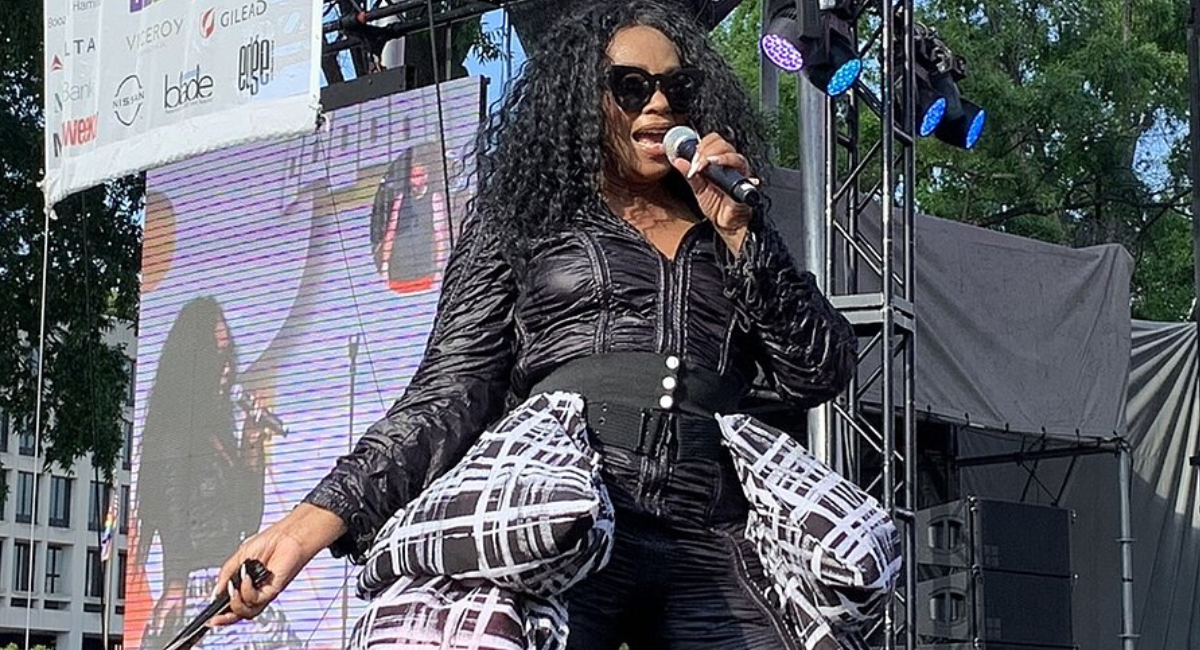
Few performers have moved between music, dance, fashion, and business as smoothly as Jody Watley. She first attracted attention on Soul Train. She later found success with Shalamar before becoming a major solo artist during the 1980s.
Biography of Jody Watley: Early Life, Age, Family, Popular Songs, Business & Enduring Influence. It also explains how she became a Grammy-winning singer, fashion innovator, and independent artist who continued creating music long after her first chart breakthrough.
Who Is Jody Watley?
Jody Vanessa Watley is an American R&B singer, songwriter, producer, dancer, entrepreneur, and style icon. Many people first knew her as a Soul Train dancer. She later became a former Shalamar member and then built a highly successful solo career.
Her story reaches beyond nostalgic music. As an American pop singer, Watley blended dance music with fashion, visual storytelling, hip-hop, and artistic independence. She also started her own label, which gave her more control over her recordings and image.
Quick Fact
Details
Full name
Jody Vanessa Watley
Date of birth
January 30, 1959
Age in 2026
67 years old
Birthplace
Chicago, Illinois, United States
Profession
Singer, songwriter, producer, dancer, and entrepreneur
Main genres
R&B, pop, dance, jazz, soul, electronic, and house
Former group
Shalamar
Famous songs
“Looking for a New Love,” “Real Love,” “Friends,” and “Everything”
Grammy Award
Best New Artist in 1988
Record label
Avitone Recordings
Children
Lauren Watley and Arie Cymone
Estimated net worth
Roughly $4 million to $6 million, according to unconfirmed online estimates
Jody Watley’s real name is Jody Vanessa Watley. Her official biography describes her as a multi-platinum singer-songwriter and producer whose work crosses R&B, pop, jazz, dance, and electronic music.
Jody Watley: Background and Early Life
Jody Watley’s life story starts in Chicago, Illinois, USA. Music and religion were formative influences in her childhood. Her mother sang in a church choir, while her father worked as a radio evangelist and religious leader.
Her family moved often because of her father’s work. These frequent changes may have helped her become adaptable and self-reliant. Eventually, the family settled in Los Angeles, where her interest in dance and entertainment began turning into a real career.
Childhood and birthplace
Jody Watley’s birth date is January 30, 1959. The birthplace of Jody Watley is Chicago, Illinois. She was the second oldest of three children and spent parts of her youth in several American cities before moving to California.
Growing up in different places exposed her to new communities and musical traditions. That changing environment likely strengthened the flexibility she later showed throughout her professional life.
Parents and religious upbringing
Watley’s mother, Rose Watley, sang in a choir. Her father, John Watley, worked in ministry and religious radio. Their home frequently reflected music, faith, public speaking, and performance.
Famous musicians reportedly visited the family, including Sam Cooke and Joe Tex. Jackie Wilson, who became Watley’s godfather, also had a meaningful place in her early life.
Early interest in singing, dancing, and fashion
Watley showed an interest in performance from a young age. She enjoyed singing, dancing, and choosing clothing that expressed personality. These interests developed together rather than separately.
Even before she entered the music business, she understood a powerful truth: audiences notice movement and appearance before they hear every lyric. That awareness later shaped Jody Watley’s dance career and her visual identity.
Jackie Wilson’s influence on her life
Jackie Wilson reportedly invited Watley onto a stage when she was about eight years old. That childhood moment offered her a close look at professional performance.
For a young girl already attracted to music, the experience likely felt electric. It showed her that entertainment was not an unreachable world. It was something she could enter.
How Jody Watley Started Her Career on Soul Train
Watley entered show business through dance. After moving to Los Angeles, she became involved with Soul Train, one of America’s most important television programs for Black music and dance.
The show offered more than national exposure. It taught her how cameras captured movement, how clothing strengthened performance, and how a dancer could communicate without speaking. Those lessons later shaped her videos, concerts, and album imagery.
Becoming a Soul Train dancer
Watley became a regular presence on Soul Train during her teenage years. Her confidence, expressive movements, and distinctive appearance helped her stand out among many talented dancers.
The show introduced viewers to new styles, records, and personalities. Watley used the platform to build recognition before she had released music under her own name.
Her partnership with Jeffrey Daniel
Watley frequently danced with Jeffrey Daniel. Their partnership attracted attention because they moved with energy, control, and personality.
They did not look like performers following a stiff routine. Instead, their movements felt conversational. Their popularity on television eventually helped both dancers enter the recording group Shalamar.
Waacking is a dance style that also served as an early fashion influence.
Waacking uses sharp arm movements, strong poses, rhythm, and theatrical expression. The style grew inside Los Angeles club culture and later reached wider audiences through television.
Watley brought this expressive energy to Soul Train. Her jewelry, sleeves, hairstyles, and clothing also became part of the performance. Fashion did not sit quietly in the background. It moved with her.
How Soul Train led her toward music
Soul Train creator Don Cornelius and businessman Dick Griffey helped develop the group Shalamar. Since Watley and Jeffrey Daniel already had public recognition, they became natural choices for the group’s visible lineup.
This opportunity changed the direction of her career. She entered Soul Train as a dancer but left that world with a path into professional recording.
Jody Watley’s Rise to Fame with Shalamar
Shalamar did not begin like a typical band formed in a garage or rehearsal room. It started as a studio project connected with the Soul Train brand. After the music attracted attention, the project needed performers who could give it a recognizable identity.
Watley helped provide that identity. Her vocals, dance skills, styling ideas, and camera presence gave Shalamar a stronger visual character. The group later became an important name in disco, funk, soul, and R&B.
How she joined Shalamar
After the success of “Uptown Festival,” the creators of Shalamar expanded the project into a performing group. Watley and Daniel joined because viewers already knew them from Soul Train.
Their arrival gave Shalamar a direct connection with young television audiences. It also gave Watley her first serious experience inside the recording industry.
Classic Shalamar lineup
The best-known Shalamar lineup included Jody Watley, Jeffrey Daniel, and Howard Hewett. Each member brought a different strength.
Hewett delivered powerful lead vocals. Daniel added innovative dancing and stage movement. Watley contributed vocals, choreography, fashion ideas, and visual direction. Their combined talents created a polished group identity.
Popular Shalamar songs featuring Jody Watley
Shalamar produced several records that remained popular for decades. Some became dance-floor standards, while others gained recognition as romantic R&B classics.
Shalamar Song
Importance
“A Night to Remember”
Became one of the group’s best-known dance records
“Make That Move”
Highlighted Watley’s performance and vocal contribution
“The Second Time Around”
Achieved major disco and R&B success
“This Is for the Lover in You”
Became an enduring romantic favorite
“Dead Giveaway”
Earned the classic lineup a Grammy nomination
Why Jody Watley left Shalamar
Watley left Shalamar in 1983. She later discussed disagreements involving finances, artistic decisions, and limited creative control.
Leaving a successful group carried serious risk. However, she wanted greater authority over her music and image. That desire became one of the defining themes of Jody Watley’s career.
Moving to London and preparing for a solo career
After leaving the group, Watley moved to London. The city gave her distance from her Shalamar identity and exposed her to new music, fashion, and production ideas.
She recorded session vocals and released early singles under the name “Jody.” She also participated in the 1984 Band Aid recording of “Do They Know It’s Christmas?” This period helped prepare her for a stronger solo return.
Jody Watley’s Solo Breakthrough and Grammy Success
Watley returned to the United States with a clear goal. She did not want to recreate Shalamar. Instead, she wanted a solo identity that combined hard dance rhythms, personal songwriting, confident fashion, and modern production.
This transformation became the turning point in Jody Watley’s biography. Her solo image looked deliberate rather than manufactured. She knew how she wanted the music to sound and how she wanted audiences to see her.
Signing with MCA Records
Watley signed with MCA Records after returning to America. She began working with André Cymone, a musician and producer connected with Prince.
She also collaborated with Bernard Edwards, Patrick Leonard, and David Z. These producers brought different musical strengths, yet Watley remained the central personality behind the project.
The 1987 self-titled debut album
The Jody Watley debut album arrived in 1987. It presented her as bold, independent, fashionable, and emotionally direct.
The album produced major hits such as “Looking for a New Love,” “Don’t You Want Me,” and “Some Kind of Lover.” Watley also recorded “Learn to Say No” with George Michael.
The album reached the top ten on the Billboard 200 and performed strongly on the R&B chart. More importantly, it proved that Watley could succeed without relying on her former group.
Winning the Grammy Award for Best New Artist
Watley won the Grammy Award for Best New Artist in 1988. The award brought greater international recognition and confirmed the strength of her solo breakthrough.
Although she already had years of professional experience, the Grammy honored her emergence as an individual recording artist. It remains one of the most important Jody Watley awards.
Larger Than Life and continued chart success
Watley released Larger Than Life in 1989. The album produced “Real Love,” “Everything,” and “Friends.”
“Friends,” featuring Eric B. & Rakim, became especially significant. The track helped expand the use of full guest rap sections inside pop and R&B songs. That structure later became common across mainstream music.
Major awards and nominations
Watley received nominations and recognition from the Grammy Awards, MTV Video Music Awards, American Music Awards, Soul Train Music Awards, and Billboard.
The “Real Love” video earned several MTV nominations. This success showed that her influence extended beyond singing. Direction, fashion, choreography, editing, and visual presentation all formed part of her appeal.
Jody Watley’s Most Significant Songs, Albums, and Musical Evolution
Watley’s catalogue cannot be reduced to a handful of 1980s hits. Over time, she moved through adult R&B, dance-pop, jazz, house, downtempo music, and electronic production.
The Jody Watley discography shows an artist who valued exploration. She did not spend decades remaking “Looking for a New Love.” Instead, she allowed her sound to mature with her.
Most popular Jody Watley songs
Jody Watley’s best songs include dance anthems, romantic ballads, funk records, and hip-hop collaborations. Her catalogue reached several types of listeners without losing its central personality.
Song
Main Quality
Career Significance
“Looking for a New Love”
Confident breakup anthem
Established her solo career
“Don’t You Want Me”
Fast dance-pop record
Became a major chart hit
“Still a Thrill”
Funky and sensual sound
Developed a strong fan following
“Some Kind of Lover”
Smooth pop and R&B blend
Reached the Billboard Top 10
“Real Love”
Strong rhythm and visual style
Became a landmark video
“Friends”
R&B and rap collaboration
Helped expand featured rap formats
“Everything”
Emotional ballad
Displayed her vocal range
These Jody Watley hit singles reveal different sides of her personality. She could sound fearless, vulnerable, playful, or reflective without losing her recognizable tone.
Complete studio album overview
Watley’s albums can be understood through several creative phases. Her first records delivered mainstream success. Later projects became more personal and experimental.
Career Stage
Main Releases
Musical Direction
Commercial breakthrough
Jody Watley and Larger Than Life
Pop, dance, funk, and R&B
Mature songwriting
Affairs of the Heart and Intimacy
Adult relationships and personal reflection
Independent period
Affection and Flower
Sophisticated R&B and creative freedom
Electronic exploration
The Saturday Night Experience and Midnight Lounge
Jazz, deep house, downtempo, and electronica
Modern reinvention
The Makeover, Paradise, and Winter Nights
Remixes, reinterpretations, and club production
Recent era
EVERLASTING, Let’s Dance Vol. 1, and “The Dawn”
Independent dance and soul releases
Transition from R&B and pop to jazz, house, and electronic music.
During the late 1990s, Watley began exploring sounds outside mainstream radio. The Saturday Night Experience included deep house, broken rhythms, and atmospheric production.
Later, Midnight Lounge blended jazz, R&B, soul, and electronic textures. This work strengthened her reputation as a house music singer and an explorer of electronic soul music.
She worked with producers such as Mark de Clive-Lowe, Ron Trent, 4hero, and King Britt. Their influence helped her create mood-driven music that valued texture as much as obvious hooks.
Important collaborations and remixes
Watley’s collaborations crossed several generations and genres. André Cymone played a major role in her early solo recordings. Eric B. & Rakim connected her work with hip-hop.
She also recorded with George Michael and later worked with artists such as Dam-Funk, Mark de Clive-Lowe, and Alex Di Ciò. These partnerships supported her constant musical development.
Recent music and current projects
Jody Watley’s latest music continues through her independent label. “EVERLASTING” arrived in 2024, followed by Let’s Dance Vol. 1 – Hit Them Beats in 2025.
Jody Watley’s recent projects also include “The Dawn,” released in 2026 with production and remix work connected to Alex Di Cioccio. These releases show that her career never truly stopped. It simply moved outside constant mainstream attention.
How Jody Watley Influenced Fashion, Dance, and Pop Culture
Watley never treated clothing as decoration. She used fashion to communicate mood, confidence, sensuality, and independence.
The Jody Watley fashion icon image grew from personal involvement. She helped shape her music videos, photography, clothing, choreography, and visual identity. This approach now seems common, but it was less expected during her early solo years.
Signature hoop earrings and street-meets-couture style
Watley became closely associated with large hoop earrings, textured hair, denim, tailored clothing, and designer fashion.
Her style mixed luxury with street culture. She could wear couture without appearing distant or overly polished. That balance helped her connect with audiences who wanted glamour that still felt alive.
Fashion in her music videos
The Jody Watley music videos often resembled short fashion films. “Still a Thrill” used Paris streets as a moving backdrop. “Real Love” relied on strong editing, dramatic shapes, and controlled movement.
“Friends” mixed high fashion with urban confidence. Each video created a complete visual atmosphere instead of simply showing the singer performing in front of a camera.
Vogue, Harper’s Bazaar, and major campaigns
Watley appeared in publications such as Vogue, Vogue Italia, Harper’s Bazaar, Rolling Stone, and Essence.
She also participated in advertising and fashion campaigns connected with GAP, L.A. Eyeworks, and Saks Fifth Avenue. These appearances strengthened her position between pop culture and high fashion.
Impact on Black women in pop culture
Watley expanded the public image available to Black women in music. She showed that a Black female performer could be glamorous, experimental, urban, independent, and internationally fashionable at the same time.
Among 1980s female music icons, she stood out because she controlled many parts of her presentation. Her example also supported later female R&B pioneers who combined music, fashion, dance, and entrepreneurship.
Artists and designers influenced by her
Watley’s influence has been recognized by singers, dancers, and fashion designers. T-Boz of TLC has discussed her musical impact. Selena also admired her work.
Designers such as A. Potts and Malan Breton have referenced her visual influence. These examples demonstrate how her music and fashion influence moved beyond record sales.
“Everything I’ve ever done has been to be distinctively Jody Watley.” — Jody Watley
Avitone Recordings, Business Ventures, and Net Worth
Watley founded Avitone Recordings in 1995. Creating the label gave her more influence over release schedules, artwork, partnerships, and musical direction.
As an independent female recording artist, she gained freedom but also accepted greater responsibility. Independent artists must manage production, marketing, distribution, licensing, and financial risk.
Why did she found Avitone Recordings
Major record companies often prefer music that fits an easy commercial category. Watley wanted space to create mature R&B, jazz, house, and electronic projects.
Avitone gave her another path. She no longer needed to wait for a large company to approve every idea. The label helped protect her ability to keep creating.
Artist ownership and creative independence
Artist ownership and creative control affect who manages recordings, publishing rights, images, and licensing opportunities.
Operating a label does not automatically guarantee ownership of every song or recording. However, it can improve an artist’s negotiating position and provide greater control over future releases.
Watley’s decision arrived before independent digital distribution became widely available. In that sense, she anticipated a major shift in the music business.
Music, touring, and royalty income
A veteran recording artist may earn money from several sources. Watley has not published detailed private financial records, so exact amounts remain unknown.
Possible Revenue Source
How It Generates Income
Recording royalties
Payments from streams, sales, and licensed recordings
Songwriting and publishing
Income connected with compositions
Concerts and touring
Performance fees and ticket revenue
Music licensing
Use of songs in films, television, and advertising
Merchandise
Sales of clothing, music products, and special editions
Independent releases
Revenue after production and distribution expenses
Media appearances
Payments from selected public or commercial projects
Fashion, merchandise, and business ventures
Watley’s work extends beyond recorded music. She has offered apparel, music products, special editions, and other branded items.
These ventures reflect her broader creative identity. Music, fashion, visual art, wellness, and entrepreneurship often overlap in her business activities.
What is Jody Watley’s estimated net worth?
Several celebrity-focused websites estimate Jody Watley’s net worth at somewhere between $4 million and $6 million. However, Watley has not publicly confirmed this figure.
Online estimates cannot fully account for private contracts, taxes, debts, investments, catalog ownership, or business expenses. Therefore, the amount should be treated as speculation rather than verified financial information.
Jody Watley’s Personal Life, Relationships, and Children
Public interest in Jody Watley’s personal life remains strong. However, she has generally protected her family from excessive attention.
A respectful discussion of Jody Watley relationships should focus on documented facts. Her family matters, but it should not overshadow her professional achievements.
Was Jody Watley married?
Watley was married to musician and producer André Cymone. Their relationship also included professional collaboration during an important part of her solo career.
Public sources indicate that the marriage later ended. Watley has not used the relationship as a constant source of publicity.
Relationship with André Cymone
André Cymone helped write and produce several recordings during Watley’s breakthrough period.
Their partnership connected music and family life. They also had a son together. Cymone’s production work helped shape the rhythm and attitude of her early solo sound.
Relationship with Leon Sylvers III
Watley previously had a relationship with producer Leon Sylvers III. Public sources generally describe him as her former fiancé rather than her husband.
Sylvers played an important role in the development of the SOLAR Records sound. He and Watley share a daughter.
Jody Watley’s daughter and son
Watley has two children. Lauren Watley is Jody Watley’s daughter, commonly identified in public biographies.
Arie Cymone is the son of Jody Watley from her marriage to André Cymone. Reliable articles should avoid publishing unnecessary private details about either child.
How she keeps her private life separate from her career
Watley often speaks about music, creativity, independence, and personal values. However, she does not make every family matter part of her public image.
This separation allows her children greater privacy. It also keeps attention on the work she chooses to release.
Jody Watley’s Awards, Legacy, and Current Life
Jody Watley’s achievements include chart success, songwriting recognition, fashion influence, video innovation, and independent business leadership.
Awards help measure parts of her journey. However, her greatest impact appears in the ideas she helped normalize across music and popular culture.
These accomplishments established her as a leading R&B and dance music artist during the late 1980s.
Black Music Honors and songwriting recognition
Watley received the Crossover Music Icon honor from Black Music Honors in 2017. She later entered the Women Songwriters Hall of Fame.
These honors recognize more than performance. Watley co-wrote important parts of her catalogue, making songwriting a central part of her professional identity.
Influence on later generations of artists
The wider Jody Watley legacy includes creative methods now used across the music industry.
“Friends” helped strengthen the relationship between R&B and guest rap performances. Her videos connected designer fashion with urban culture. Avitone demonstrated the value of artist ownership and creative control.
These contributions earned her an important place in dance-pop music history.
What is Jody Watley doing now?
Watley continues recording and releasing music through Avitone Recordings. Her recent work includes “EVERLASTING,” Let’s Dance Vol. 1 – Hit Them Beats, and “The Dawn.”
She also remains active through digital media, merchandise, interviews, and direct communication with listeners.
Why does her career remain relevant
Watley’s career remains important because she changed without losing her identity.
She explored new sounds, technologies, collaborators, and business models. Yet her music continued to reflect confidence, sophistication, rhythm, and independence.
Year
Milestone
1959
Born in Chicago, Illinois
Mid-1970s
Became known as a Soul Train dancer
Late 1970s
Joined Shalamar
1983
Left Shalamar
1987
Released her breakthrough solo album
1988
Won the Grammy Award for Best New Artist
1989
Released Larger Than Life
1995
Founded Avitone Recordings
2017
Received the Black Music Honors Crossover Music Icon award.
2022
Entered the Women Songwriters Hall of Fame.
2025
Released Let’s Dance Vol. 1 – Hit Them Beats.
2026
Released “The Dawn”
Frequently Asked Questions About Jody Watley
The following questions cover common searches related to Watley’s age, music, family, business, and career.
How old is Jody Watley?
Jody Watley will be 67 years old in 2026. She was born on January 30, 1959, in Chicago, Illinois. Her age should be updated every year after her birthday.
What is Jody Watley’s most famous song?
“Looking for a New Love” is widely considered her signature solo song. Other famous recordings include “Real Love,” “Friends,” “Everything,” “Still a Thrill,” and “Don’t You Want Me.”
Was Jody Watley an original member of Shalamar?
Shalamar began as a studio project before becoming a visible performing group. Watley joined an early lineup and later became part of the famous trio with Jeffrey Daniel and Howard Hewett.
Why did Jody Watley leave Shalamar?
Watley left because of financial concerns, artistic disagreements, and her desire for greater creative control. The departure allowed her to build an independent identity and eventually launch a successful solo career.
Did Jody Watley win a Grammy?
Yes. She won the Grammy Award for Best New Artist in 1988 after the success of her self-titled solo debut.
Who was Jody Watley married to?
Watley was married to musician and producer André Cymone. Leon Sylvers III is usually described as her former fiancé rather than her husband.
Does Jody Watley have children?
Yes. She has two children. Her daughter is Lauren Watley, and her son is Arie Cymone.
What is Jody Watley’s net worth?
Some online sources estimate her net worth at roughly $4 million to $6 million. However, Watley has not confirmed this amount, and no audited public financial statement supports the estimate.
Does Jody Watley own a record label?
Yes. She founded Avitone Recordings in 1995. The label supports her independent releases and gives her greater influence over music, branding, and distribution.
What is Jody Watley doing now?
Watley remains active as a singer, producer, entrepreneur, and independent recording artist. Her recent releases include Let’s Dance Vol. 1 – Hit Them Beats and the 2026 song “The Dawn.”
Conclusion
Jody Watley created a career that cannot fit inside one musical era. She traveled from Soul Train to Shalamar, then stepped into solo stardom with a strong voice and a clear artistic vision.
Her lasting importance comes from more than chart success. Through bold fashion, inventive videos, genre-crossing music, and Avitone Recordings, she built a model of independence that many modern artists now follow.
The Jody Watley biography ultimately tells a story of reinvention. She changed her sound without surrendering her identity. That balance explains why her music, style, and business choices still matter.
Sources
The following references can support the article’s factual claims. Editors should recheck age, current releases, chart positions, and financial estimates before publication.
Source
Information Covered
Official Jody Watley Biography
Career, fashion, awards, influence, and recent work
Official Jody Watley Discography
Albums, singles, release dates, and collaborations
The Recording Academy
Grammy Award history
Billboard Artist Profile
Chart performance and popular songs
Pitchfork Shalamar Review
Early Shalamar history and musical context
Jody Watley Reference Biography
Supporting timeline, family details, and career background
Taha Khan is a biography writer and researcher at actorsLifestyle.site, where he focuses on creating accurate and well-researched biographies of actors, journalists, athletes, musicians, and other public figures.
His articles are based on information from reliable public sources, including official websites, verified interviews, reputable news organizations, publishers, and public records whenever available. Every article is carefully reviewed for accuracy, clarity, and readability, and is updated when new verified information becomes available.
Through actorsLifestyle.site, Taha aims to provide balanced, informative, and easy-to-understand biographies that help readers learn about the careers, achievements, and public lives of notable personalities while maintaining high editorial standards, transparency, and responsible sourcing.